Woolwich garden waste rules Greenwich Council explained
If you live in Woolwich and your garden seems to generate more green waste than you can keep up with, you are not alone. Grass cuttings after a damp spell, hedge trimmings from a tidy-up, and the odd pile of leaves can build up quickly. The tricky part is knowing what Greenwich Council expects, what counts as garden waste, and how to stay on the right side of the rules without making a simple job feel oddly complicated. This guide to Woolwich garden waste rules Greenwich Council explained breaks it all down in plain English, with practical steps you can actually use.
Whether you are clearing a small back garden, maintaining a shared space, or planning a bigger tidy-up, the aim here is simple: help you dispose of garden waste properly, avoid common mistakes, and choose the most sensible approach for your situation. Truth be told, most problems start with confusion rather than bad intent.
Contents
- Why Woolwich garden waste rules Greenwich Council explained Matters
- How Woolwich garden waste rules Greenwich Council explained Works
- Key Benefits and Practical Advantages
- Who This Is For and When It Makes Sense
- Step-by-Step Guidance
- Expert Tips for Better Results
- Common Mistakes to Avoid
- Tools, Resources and Recommendations
- Law, Compliance, Standards, or Best Practice
- Options, Methods, or Comparison Table
- Case Study or Real-World Example
- Practical Checklist
- Conclusion
- Frequently Asked Questions
Why Woolwich garden waste rules Greenwich Council explained Matters
Garden waste sounds harmless, and mostly it is. But the way you store, separate, and dispose of it matters more than many people realise. In a busy place like Woolwich, a few bagged hedge clippings left out at the wrong time can become a nuisance, and mixed waste can lead to extra cost, rejected collections, or a trip to the tip that could have been avoided. Nobody needs that on a Saturday morning.
These rules matter for three main reasons. First, they help keep local streets, pavements, and shared spaces cleaner. Second, they support recycling and composting where possible, which is better than sending everything to general waste. Third, they reduce avoidable issues such as blocked bins, missed collections, and contamination of the wrong waste stream. If you have ever tried to wrestle a dripping sack of grass cuttings down the side alley after rain, you will know why good system beats guesswork.
There is also a wider point. If you are maintaining your own garden, a landlord property, or a communal outdoor area, the rules help you stay consistent. That consistency saves time later. It also makes seasonal work easier, whether you are doing a spring clean, a midsummer trim, or a wet autumn leaf clear-up.
How Woolwich garden waste rules Greenwich Council explained Works
At a practical level, Greenwich Council's approach to garden waste is about separating organic garden material from general household rubbish and disposing of it through the correct route. In plain terms, the council wants garden waste to be treated as garden waste, not mixed in with plastics, food leftovers, soil-heavy rubble, or random household items.
That distinction is important because mixed waste is harder to process. Grass, leaves, small twigs, and pruning cuttings are usually straightforward. Once you start adding plant pots, stones, broken fencing, or bags of unknown debris, the load becomes less suitable for garden waste handling. A lot of people do this by accident. A bag starts with hedge trimmings, then a bit of old compost, then a broken saucer, then maybe half a brick because "it was there anyway". That is where things go off the rails.
In normal day-to-day use, the process usually comes down to four questions:
- What exactly is the material?
- Can it be composted or processed with green waste?
- Is it accepted through your chosen disposal route?
- Have you removed contamination and separated anything non-organic?
If you are unsure, assume the council or collection provider will prefer cleaner, better-sorted material. That is the safest working habit. And if you are carrying out larger garden work, a dedicated approach through garden clearance services or ongoing garden maintenance can be far less stressful than dealing with sporadic pile-ups yourself.
What usually counts as garden waste
Most households think first of lawn clippings and hedge trimmings, but garden waste can include a wider range of organic material. Common examples are:
- grass cuttings
- leaves and small plant matter
- hedge trimmings
- prunings from shrubs
- small branches and twigs
- dead flowers and weeds
- old bedding plants and seasonal bedding
What generally causes trouble is the non-organic stuff. Soil, stones, turf in large heavy lumps, pots, plastic ties, treated timber, broken ornaments, and building waste should not be treated as the same thing as light green waste. If it looks like it belongs in a garden shed, a builder's skip, or a general household bin rather than a compostable waste stream, treat it carefully.
How timing and storage affect collection
Even when your waste is sorted correctly, timing matters. Wet garden waste can become heavy and messy fast. Leaves that looked manageable on a dry afternoon can turn into a soggy, compacted mess by the next day. To be fair, that happens to almost everyone at some point. Store waste in a way that keeps it tidy, covered if needed, and easy to lift or move when collection day arrives.
On larger jobs, it helps to split the work into stages: cut, gather, sort, and bag. The final stage should not be rushed. If you are also trimming hedges or handling small tree branches, it may be worth planning the job around services like hedge trimming or tree lopping and removal so the waste is handled properly from the start.
Key Benefits and Practical Advantages
Following the local garden waste rules is not just about avoiding a complaint or a rejected bin. There are some very real everyday benefits.
- Cleaner outdoor spaces: You avoid piles of decaying material attracting pests or making paths slippery.
- Less wasted time: Clear sorting means fewer do-overs and fewer awkward last-minute runs to dispose of mixed rubbish.
- Better recycling outcomes: Organic material can be processed more efficiently when it is not contaminated.
- Lower risk of penalties or refusal: If you put the wrong material out, you may face rejection or extra handling.
- Simpler seasonal planning: Once you know the pattern, the job becomes routine rather than chaotic.
There is also the quieter benefit of peace of mind. You know what is going where. You do not have to stand in the kitchen with muddy boots wondering whether that bag of cuttings is fine or not. That little bit of certainty is worth a lot more than people admit.
If your garden is part of a broader property upgrade, it may also make sense to think beyond waste removal. A tidy clearance often goes hand in hand with landscape gardening, new edging, or longer-term outdoor improvements. If the space is being redesigned, waste control should be part of the plan, not an afterthought.
Who This Is For and When It Makes Sense
This guidance is useful for anyone in Woolwich dealing with routine or seasonal garden waste. That includes homeowners, tenants with garden responsibility, landlords, letting agents, and small businesses with outdoor areas. It is also helpful if you manage shared outdoor spaces or a block with communal planting beds.
It makes particular sense when:
- you have just finished mowing, edging, or hedge work
- you are clearing up after storm damage or heavy leaf fall
- you are preparing a property for sale or new tenants
- you have a one-off backlog of prunings, weeds, and clippings
- you want to reduce the number of trips to dispose of waste yourself
If your routine includes regular lawn care, the waste generated can be modest but frequent. That is where a steady service like lawn mowing or ongoing garden maintenance can quietly prevent clutter before it starts. Small jobs, repeated often, create less drama. Lovely, really.
For people handling a larger one-off tidy-up, a full clearance approach is usually the more practical option. If you are cutting back overgrown borders, taking down dead growth, or reclaiming a neglected space, garden waste rules matter even more because the volume jumps quickly.
Step-by-Step Guidance
If you want a simple method that works in real life, use this sequence.
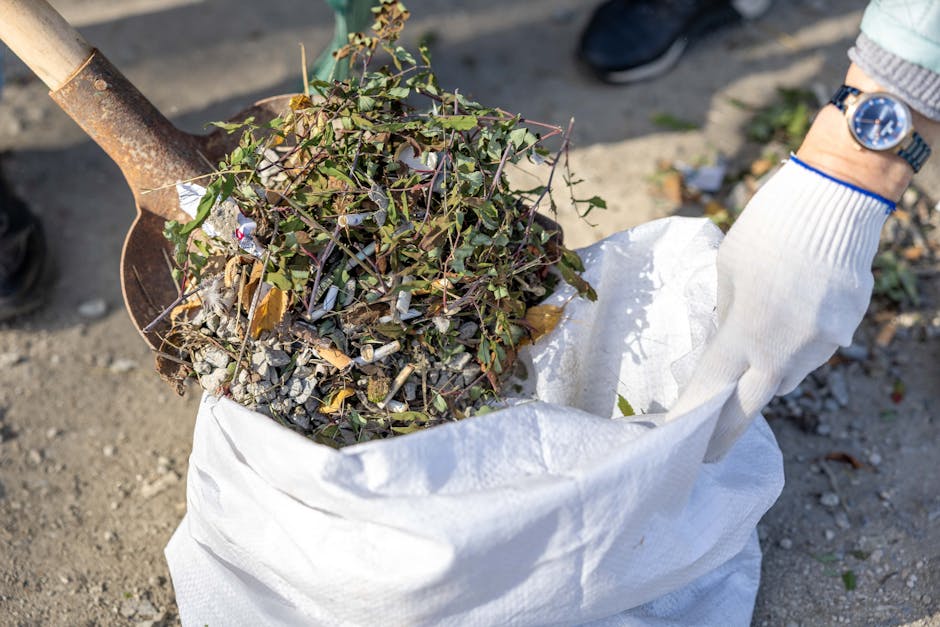
- Sort the waste at source. Keep green waste separate from plastics, metal, stones, treated wood, and general rubbish.
- Reduce bulky material. Cut branches and long stems into manageable lengths where safe to do so.
- Remove contamination. Shake off loose soil, untie plastic ties where possible, and check every bag before closing it.
- Choose the right disposal route. Use council-accepted collection options, a compliant private service, or a proper transfer route depending on the size of the job.
- Store it properly. Keep the waste dry and accessible until it is taken away.
- Double-check before collection. One last glance can prevent a rejected load. It sounds small, but it matters.
Here is a useful rule of thumb: if the load would look messy to you, it will probably look messy to the collector too. That is not a legal test, obviously, but it is a decent practical one.
If your garden task has also involved structural changes such as a new deck or a revamped patio area, then waste management becomes part of the wider project. Services like decking services and landscaping often generate mixed waste, so planning ahead avoids a pile-up that lingers for days.
Expert Tips for Better Results
People often think the answer is simply "bag it and put it out". That is only half the story. A few small habits make a big difference.
- Do the heaviest sorting first. Pick out stones, plastic, ties, and non-organic material before the pile spreads.
- Work in dry weather if you can. Dry clippings are lighter, cleaner, and less awkward to handle.
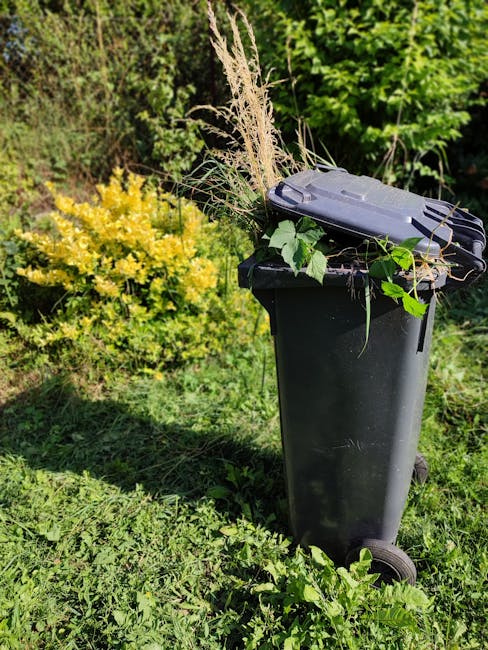
- Keep a dedicated garden waste container. A wheelie bin, reusable sack, or designated corner of the garden saves time later.
- Trim in stages. A hedge job done in two passes usually creates less mess than trying to clear everything in one frantic sweep.
- Combine disposal with maintenance. Regular cuts and trims reduce the size of each waste load.
One practical tip that saves headaches: do not let cuttings sit for too long before bagging them. Once they start compacting, they become heavier and harder to move. By the time you have had your tea and looked out the window again, the nice tidy pile has become a damp little mountain. Gardening has a way of doing that.
If the work is beyond a quick tidy, it can help to talk to a team that understands both the clearance and the follow-up maintenance side. That way the garden does not bounce straight back into disorder a week later.
Common Mistakes to Avoid
A lot of avoidable problems come from a handful of repeat mistakes. Here are the ones we see most often.
- Mixing green waste with general rubbish. This is the quickest way to create a rejected or hard-to-process load.
- Adding soil-heavy material without checking. Small amounts may be acceptable in some cases, but heavy contamination usually causes issues.
- Leaving it too late. A pile that should have been dealt with on Wednesday becomes a smellier, wetter, and heavier pile by Sunday.
- Using the wrong bags. Weak or overfilled bags split easily and create a mess on the path.
- Assuming all garden waste is the same. It is not. Grass cuttings, turf, branches, and mixed clearances are not identical in how they are handled.
Another subtle mistake is ignoring the scale of the job. A small border tidy is one thing. Clearing an overgrown rear garden after months of neglect is something else entirely. If in doubt, treat bigger jobs as project work, not just routine rubbish removal. That mindset change helps a lot.
Practical takeaway: keep green waste clean, keep it separate, and keep it moving. The less time it sits around mixed with other materials, the easier the whole process becomes.
Tools, Resources and Recommendations
You do not need specialist kit to manage garden waste well, but a few basic tools make the work safer and cleaner.
- Heavy-duty garden bags or reusable waste sacks for clippings and leaves
- Sturdy gloves for handling thorny or damp material
- Rake or leaf grabber for tidying loose material quickly
- Pruning shears or loppers for cutting branches down to size
- Wheelbarrow or trug for moving waste without back strain
- Tarpaulin for temporary containment on larger jobs
For ongoing outdoor care, a service plan can be more efficient than reacting after each overgrown spell. That is where services overview pages are useful, because they help you see how regular mowing, hedge trimming, and clearance fit together as one maintenance rhythm rather than isolated jobs.
If you are trying to keep costs sensible, it also helps to compare the job type honestly. A one-off tidy, a regular maintenance visit, and a full garden overhaul are different things. For pricing clarity, you can always review pricing and quotes before deciding what level of help makes sense.
Law, Compliance, Standards, or Best Practice
When people ask about council rules, they usually want one thing: what is acceptable and what is not. The safest answer is to follow the council's published guidance for waste sorting and presentation, then apply normal UK waste best practice. That usually means separating organic garden material from general waste, avoiding contamination, and not overfilling bags or bins.
For property owners and contractors, there is also a duty of care element in day-to-day practice. In plain English, you should take reasonable steps to make sure waste is transferred and handled properly. You do not need to turn this into a legal seminar, but you should avoid casual disposal habits that could cause problems later.
Best practice looks like this:
- sort waste before it leaves the garden
- keep recyclable or compostable material clean
- do not hide non-garden items in green waste loads
- use a reputable disposal route for larger clearances
- keep records or receipts where that is relevant for your own admin
If your work involves ladders, power tools, or taller cutting jobs, safety matters too. A good contractor should have sensible procedures in place. You can review our approach through health and safety policy and insurance and safety information, which help set expectations around responsible work. None of this is flashy. It is just the boring stuff that protects people, and boring is good here.
Options, Methods, or Comparison Table
There is more than one way to deal with garden waste, and the right answer depends on volume, timing, and how much effort you want to spend.
| Method | Best for | Pros | Watch-outs |
|---|---|---|---|
| Routine council-aligned sorting | Small to medium household garden waste | Simple, tidy, low effort when the volume is modest | Needs good separation and timing |
| Regular maintenance visits | Ongoing gardens that produce waste each week or fortnight | Prevents build-up and keeps the garden presentable | Less suitable for major overgrowth on its own |
| One-off garden clearance | Neglected gardens, seasonal overhauls, post-renovation tidies | Best for big piles, mixed cutting jobs, and fast resets | Can generate more waste in one go and needs planning |
| Specialist pruning or tree work | Hedges, shrubs, and larger branches | Safer and cleaner for awkward materials | May create heavier waste that needs extra handling |
For many Woolwich households, the most sensible approach is a mix of small routine maintenance and occasional clearance support. That keeps the waste stream manageable and avoids the frantic "everything must go today" moment that nobody enjoys.
Case Study or Real-World Example
Imagine a typical back garden in Woolwich after a few wet weeks. The lawn has grown faster than expected, the hedge has started leaning into the path, and the borders are full of fallen leaves and dead stems. Nothing dramatic. Just enough to feel messy every time you glance out the kitchen window.
The first step is a straightforward tidy-up: mow the lawn, cut the hedge back, and gather the debris into separate piles. Grass cuttings go one way, hedge trimmings another, and anything non-organic gets removed immediately. Then the waste is bagged in manageable amounts rather than dumped into one giant sack that nobody can lift properly. Sensible, really.
At that point, the owner has a choice. They can try to dispose of everything themselves in stages, or they can use a more efficient clearance approach. In this sort of real-world case, the difference is not just convenience. It is also about avoiding contamination, saving time, and getting the garden back to usable condition before the weather changes again. By late afternoon, when the light starts going soft and the air has that damp soil smell, the value of a clean system becomes obvious.
This is exactly where a combined approach can help. A regular mowing schedule, paired with occasional garden clearance, usually keeps things under control without much drama at all.
Practical Checklist
Use this before you dispose of garden waste in Woolwich:
- Have I separated green waste from general rubbish?
- Have I removed plastic, wire, labels, pots, and other contamination?
- Are the bags or containers strong enough for the weight?
- Have I cut down larger branches or stems safely?
- Is the waste dry enough and stored neatly?
- Do I know which disposal route I am using?
- Is the volume small enough for routine disposal, or does it need clearance support?
- Have I checked whether any items belong in a different waste stream?
- Is this the right time to combine the job with maintenance or trimming?
- Do I have the right gloves, tools, and room to work safely?
If you can tick most of those boxes, you are in good shape. If several of them are a no, it may be worth slowing down and sorting properly first. No shame in that.
Conclusion
Understanding Woolwich garden waste rules Greenwich Council explained does not need to be a headache. Once you know the basic idea - keep green waste separate, avoid contamination, and choose the right disposal route - the whole process becomes much easier to manage. That applies whether you are tidying a small courtyard, trimming a row of hedges, or clearing a larger garden after a busy season.
The real win is not just compliance. It is a cleaner garden, fewer delays, and less stress each time the bins or bags need moving. Little bits of order save bigger frustrations later. And honestly, that is half the battle in outdoor maintenance.
If your garden is due for a reset, or you want a more reliable routine going forward, exploring professional support for maintenance and clearance can make life simpler without losing control of the details. A tidy garden has a way of making everything else feel a bit lighter.
Get a free quote today and see how much you can save.
Frequently Asked Questions
What counts as garden waste in Woolwich?
Garden waste usually includes grass cuttings, leaves, weeds, hedge trimmings, small branches, and other organic material from your outdoor space. It should be kept separate from general household rubbish and non-organic items.
Can I mix soil with garden waste?
Small traces may not always cause a problem, but heavy soil contamination is usually best avoided. The cleaner the load, the easier it is to handle and process. If it looks like mostly soil, treat it differently.
Can I put branches out with normal green waste?
Small branches are often manageable if they are cut down to a sensible size, but larger or woody material may need a different approach. It is safer to keep bulky pruning separate and check the disposal method before putting it out.
What should I do with weeds and dead plants?
Weeds, dead bedding plants, and most soft plant material usually count as garden waste. Remove any plastic ties, labels, or other contamination before bagging them up.
Is grass cuttings collection different from hedge trimmings?
They are both garden waste, but they behave differently. Grass cuttings can be wet and heavy, while hedge trimmings are bulkier and may need cutting down first. That difference matters when you are bagging or planning disposal.
Do I need to separate garden waste from kitchen food waste?
Yes, keep them separate. Garden waste and food waste are handled differently, even though both are organic. Mixing them can create problems with sorting and processing.
What happens if I put the wrong things in a garden waste load?
The load may be rejected, delayed, or more difficult to process. At the very least, it creates avoidable hassle. In larger clearances, contamination can also increase the time and cost of the job.
Is a one-off garden clearance better than doing it myself?
It depends on the size and condition of the garden. For a small tidy-up, doing it yourself may be fine. For overgrown, heavy, or mixed waste, a one-off clearance is often faster and less stressful.
How often should I clear garden waste?
That depends on how fast your garden grows, but most people benefit from regular small clear-ups rather than waiting for one huge job. Weekly or fortnightly maintenance tends to keep waste manageable.
Can regular lawn mowing help with waste reduction?
Yes. Regular mowing produces smaller amounts of cut grass, which are much easier to manage than a long-overdue cut. It also helps the whole garden look neater, quicker.
What is the best way to store garden waste before collection?
Use strong bags, sacks, or a dedicated container, and keep the waste as dry and tidy as possible. Avoid overfilling and make sure the pile is easy to move when collection day arrives.
Where does professional garden maintenance fit in?
Professional maintenance helps keep waste levels steady instead of letting them build up. It is especially useful if your garden needs repeated mowing, hedge trimming, or seasonal clearance. A little routine goes a long way.
For more about our broader approach to responsible outdoor work, see recycling and sustainability, or learn more about the team on about us. If you want to talk through a specific garden job, the easiest next step is to get in touch through contact us."