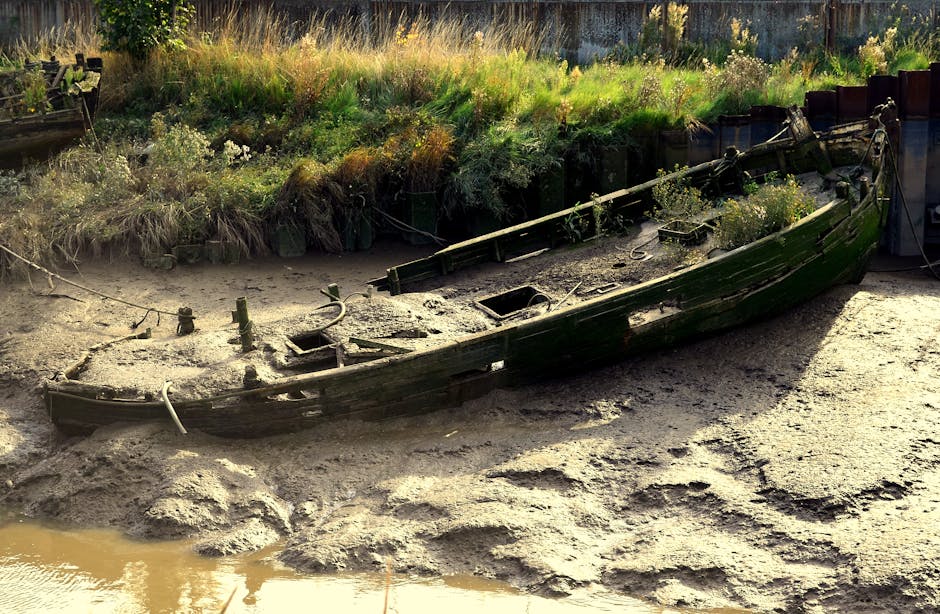
Woolwich Dockyard gardeners for communal green spaces
Shared gardens, estate courtyards, pocket parks and communal lawns can look lovely on paper, but in real life they need steady care. One windy week, a few skipped cuts, and suddenly the space feels tired, patchy and a bit neglected. That is where Woolwich Dockyard gardeners for communal green spaces come in. The right team does more than mow grass. They keep shared outdoor areas usable, tidy, safe and pleasant for everyone who lives, works or passes through them.
If you manage a residents' association, a block of flats, a housing development or a mixed-use property near Woolwich Dockyard, this guide will help you understand what communal garden care should include, how the service usually works, what to ask for, and how to avoid the usual headaches. Truth be told, good shared-space gardening is one of those things people only really notice when it has gone wrong.
Below, you will find a practical breakdown of the service, sensible decision-making advice, and the sort of details that help a communal space feel cared for rather than just maintained. We will also touch on compliance, seasonal planning, and the little things that make a big difference in a shared outdoor area.
Table of Contents
- Why Woolwich Dockyard gardeners for communal green spaces Matters
- How Woolwich Dockyard gardeners for communal green spaces Works
- Key Benefits and Practical Advantages
- Who This Is For and When It Makes Sense
- Step-by-Step Guidance
- Expert Tips for Better Results
- Common Mistakes to Avoid
- Tools, Resources and Recommendations
- Law, Compliance, Standards, or Best Practice
- Options, Methods, or Comparison Table
- Case Study or Real-World Example
- Practical Checklist
- Conclusion
- Frequently Asked Questions
Why Woolwich Dockyard gardeners for communal green spaces Matters
Communal green spaces do a lot of work quietly in the background. They soften hard urban surroundings, give children and older residents somewhere to sit outside, and help a development feel cared for rather than forgotten. In a place like Woolwich Dockyard, where homes, transport links and busy streets sit close together, a shared garden can become a small but important breathing space.
That is also why the standard for these areas is different from a private garden. A single household may tolerate a bit of overgrowth for a week or two. Shared spaces are judged by many people at once. Residents want paths clear, hedges trimmed, litter picked up, and planting that looks intentional rather than accidental.
A professional communal-space gardener understands that balance. They are not only shaping borders and cutting grass; they are helping protect the social value of the space. A tidy lawn can reduce complaints. Clear sightlines can make a courtyard feel safer after dark. Sensible planting can reduce maintenance pressure over the long term. Small things, yes. But they stack up fast.
If you are also thinking about wider property upkeep, it can help to look at related services alongside garden care. For example, some property managers pair outdoor maintenance with deep cleaning services or broader building support, so the whole site feels coordinated instead of piecemeal.
Expert summary: communal green space gardening is about reliability, presentation, and shared-use practicality. The best results come from regular care, a clear maintenance plan, and a gardener who understands how people actually use the space.
How Woolwich Dockyard gardeners for communal green spaces Works
At a basic level, the work is built around routine visits and agreed tasks. That may sound simple, but in communal settings the details matter. A good gardener or grounds team will usually start by assessing the site: where people walk, where water collects, which areas get shade, what is already planted, and what keeps becoming a nuisance.
From there, the service is shaped around the site's needs. A small shared courtyard might need light but frequent care. A larger estate lawn may need mowing, edging, weed control and shrub pruning on a seasonal rotation. A mixed-use space might need extra attention around bins, entrances and paths because those areas collect debris quickly. Let's face it, communal spaces are magnets for leaves in autumn and messy corners in spring.
In practice, most shared-space gardening involves a mix of:
- grass cutting and edging
- weeding of beds, paths and hard edges
- hedge trimming and shrub shaping
- deadheading and seasonal planting care
- leaf clearance and green waste removal
- litter picking and basic site tidying
- minor plant health checks and reporting of issues
Some properties need more than routine tidying. If access is awkward, the planting is mature, or the space has been neglected for a while, the first visit may involve a reset. That could mean clearing dead growth, restoring borders, and setting the space up for regular maintenance. In many cases, it is better to start with a proper tidy-up and then move to scheduled care, rather than trying to "catch up" slowly forever. That approach rarely works, to be fair.
Where the site is larger or has multiple external surfaces, many clients combine gardening with related maintenance. It can be useful to coordinate with teams that handle landscaping services or even hedge trimming so the work is consistent rather than fragmented across different visits and contractors.
Key Benefits and Practical Advantages
The most obvious benefit is appearance, but that is only part of the picture. Shared green spaces affect how people feel about a building and how they use it day to day. If the area is neat and well kept, residents are more likely to use it, respect it and report issues early.
Here are the practical advantages that matter most:
- Better first impressions: visitors, buyers and new tenants notice the outside space before they notice the lobby.
- Reduced nuisance growth: regular weeding and pruning prevents the "one thing turned into ten" problem.
- Safer shared access: clear pathways, trimmed hedges and tidy sightlines help people move through the area more confidently.
- Lower long-term maintenance pressure: small, consistent tasks are usually easier and cheaper than major recovery work.
- Healthier planting: seasonal care keeps shrubs, grass and beds in better condition over time.
- Less resident friction: well-managed communal gardens reduce complaints about mess, neglect or uneven upkeep.
There is also a quieter benefit that gets overlooked. People behave differently in spaces that feel loved. A courtyard with clipped hedges, healthy planting and clean edges often invites more respectful use. People sit a little longer. Children play a little more safely. Even a bench looks better when the grass around it is tidy.
If your property also needs support with the interior side of shared living spaces, it can be sensible to coordinate with builder sack clearance or wider waste removal planning so outdoor and internal upkeep do not clash.
Who This Is For and When It Makes Sense
This service is not just for large housing estates, though that is a common fit. It makes sense for any site where more than one person depends on the same outdoor area and no single resident is responsible for it all.
Typical users include:
- residents' management companies
- freeholders and landlords
- block managers and estate agents
- housing associations and care providers
- commercial landlords with shared outdoor spaces
- mixed-use developments with courtyards or access gardens
- schools, small institutions or community buildings with shared planting areas
It makes sense when the space is becoming too much for ad hoc care. Maybe one resident has been doing their best with a mower in the shed, but the hedge is getting stubborn, the weeds are winning near the paving, and nobody is quite sure who should book the next visit. That is usually the moment to put a proper schedule in place.
It also makes sense when expectations are rising. A place that once "just needed a cut" may now need a more attractive finish because occupancy has changed or residents are more engaged. Some buildings near transport links see a steady flow of foot traffic, so the garden becomes part of the building's identity whether anyone planned that or not.
If you are comparing different property upkeep needs, a broader service package can be helpful. A company that handles office clearance or other site support may already understand how to work around access issues, which can be surprisingly useful for communal garden jobs with tight corridors or shared entrances.
Step-by-Step Guidance
If you are planning shared garden care for the first time, keep it simple. The best process is usually the one people can actually follow.
- Walk the site properly. Note where people gather, where the path of least resistance has formed, and which areas look neglected even if they are technically maintained.
- Separate essential tasks from nice-to-have tasks. Mowing, safety clearances and litter removal come first. Decorative planting can come after the basics are stable.
- Set the visit frequency. Weekly, fortnightly or seasonal schedules depend on growth rate, use level and budget. A fast-growing lawn in summer will not wait politely for a monthly visit.
- Agree on access and responsibility. Who unlocks gates? Who reports hazards? Who signs off on work? These are small questions until they are not.
- Build in seasonal tasks. Spring tidy-ups, summer mowing, autumn leaf clearance and winter pruning each have different priorities.
- Define what "finished" looks like. Clean edges, cleared paths and no visible waste may matter more than a dramatic before-and-after look.
- Review after the first few visits. Good communal maintenance is refined over time. The first plan is rarely perfect, and that is fine.
A small real-world point: if one side of the site is shaded and damp, it may need a different approach from the sunnier, high-traffic side. Trying to treat both areas identically can waste time and money. Better to be practical.
If your communal garden sits alongside a property that also needs a general tidy or uplift, you may want to coordinate with garden clearance support first, then move into a maintenance rhythm once the area is reset.
Expert Tips for Better Results
Experienced gardeners tend to focus on consistency, not heroics. The big wins in communal spaces usually come from small decisions repeated well.
Here are some tips that genuinely help:
- Keep edges sharp. A clean border makes the whole site look cared for, even if the planting is fairly simple.
- Use plant choices that match the site. If residents want low fuss, avoid highly demanding planting that will need constant rescue.
- Do not overplant small communal areas. Too many species in a tight space can look cluttered fast.
- Plan for leaf fall early. Autumn can turn a tidy space into a slippery, messy one if clearance is left too late.
- Protect sightlines. Around entrances, paths and seating areas, visibility matters for comfort and safety.
- Keep waste removal in the plan. Cuttings and trimmings should not linger. They make spaces look unfinished.
One thing I would say, after seeing a fair few communal gardens over the years: do not chase perfection where the site cannot support it. A compact courtyard with modest planting, well cut and clearly edged, can look far better than a fussy design that is constantly struggling. Good maintenance beats complicated ambition most days.
And a small one-line truth: if nobody can tell where the grass ends and the border begins, something has gone a bit sideways.
Common Mistakes to Avoid
Communal green spaces often go wrong for very predictable reasons. The good news is that most of them are avoidable.
- Waiting too long between visits. A space can deteriorate quickly once growth gets ahead of the schedule.
- Assuming one-off tidying is enough. A reset helps, but without follow-up maintenance, the same issues return.
- Ignoring access problems. Locked gates, blocked bins or awkward shared entrances can slow the work down and push up frustration.
- Using the same approach for every season. Grass, shrubs and leaf litter all behave differently through the year.
- Not agreeing standards in advance. If residents expect manicured beds but only basic mowing is budgeted, disappointment is almost guaranteed.
- Overlooking resident usage patterns. A garden beside a playground needs different priorities from a quiet courtyard used mostly for seating.
Another common issue is unclear ownership of small problems. A cracked slab, a broken light, a dead patch near a drain or a damaged fence panel may not be "the gardener's job" alone, but it should still be flagged. The best communal-space gardeners do not pretend those things are irrelevant. They report them early.
Small issues have a habit of breeding. Bit annoying, really.
Tools, Resources and Recommendations
You do not need a huge kit list to manage a communal green space well, but the right tools and working habits matter. A reliable team will usually arrive with equipment suited to the site, plus a plan for waste and access.
| Need | Useful tool or resource | Why it helps |
|---|---|---|
| Routine lawn care | Mower, trimmer, edging tools | Keeps common grass areas tidy and consistent |
| Border maintenance | Hand tools, secateurs, pruning saw | Helps shape shrubs and manage overgrowth carefully |
| Seasonal tidy-ups | Leaf blowers, rakes, collection sacks | Useful for autumn and storm debris |
| Site cleanliness | Litter pickers, waste bags, gloves | Keeps shared areas presentable and hygienic |
| Planning and oversight | Visit schedule, site notes, maintenance checklist | Prevents tasks being forgotten or repeated badly |
As a recommendation, keep a simple site log. It does not have to be fancy. A clear note of what was done, what needs attention, and what should be monitored next time is often enough. In communal settings, that kind of continuity is gold. Especially when several people are involved and no one remembers exactly who promised to chase the thorny bush at the back corner.
If the area needs deeper clearance before routine maintenance can begin, a linked service such as waste clearance may be useful where permitted by the site's access and maintenance plan.
Law, Compliance, Standards, or Best Practice
With communal green spaces, the safest approach is to treat compliance as part of good management rather than an afterthought. The exact obligations depend on the property type, ownership structure and site-specific arrangements, so it is wise to be cautious rather than assume one rule fits every situation.
In the UK, shared-property managers typically need to think about:
- Health and safety: keeping paths, steps and common areas reasonably safe and free from avoidable hazards.
- Risk awareness: identifying trip risks, sharp cuttings, unstable branches or obstructed access points.
- Waste handling: ensuring green waste and general rubbish are removed appropriately and not left to create nuisance.
- Neighbour consideration: managing noise, timing and site access sensibly in a shared environment.
- Contract clarity: defining what the gardener is responsible for and what sits with the property manager or landlord.
Best practice usually means having a simple written scope, a maintenance schedule and a way to record issues. If a contractor spots a hazard, they should be able to report it quickly. If residents raise concerns, there should be someone who can respond without delay. Nothing glamorous there, but it keeps things running smoothly.
For sites with vulnerable users, frequent visitors or narrow access routes, extra caution around pruning debris, slippery surfaces and temporary obstructions is sensible. If you are unsure whether a task is suitable for a routine visit or needs specialist attention, ask. A careful answer is better than a rushed one.
Options, Methods, or Comparison Table
Different communal sites need different approaches. A tidy little courtyard does not need the same level of intervention as a larger estate garden. The right method depends on budget, usage and how much responsibility the team is expected to take on.
| Approach | Best for | Pros | Watch out for |
|---|---|---|---|
| Basic maintenance visits | Small communal gardens and courtyards | Simple, affordable, easy to schedule | May not be enough for overgrown or complex sites |
| Seasonal maintenance plan | Sites with changing growth through the year | Matches work to the calendar and plant cycles | Needs clear planning and follow-through |
| Full grounds care package | Larger estates or high-visibility shared spaces | More comprehensive, more consistent finish | Can be more expensive if the scope is too broad |
| One-off clearance then maintenance | Neglected spaces that need a reset | Good for recovery and starting fresh | Without follow-up, the same problems return |
If you are deciding between these options, ask a simple question: what would make this space genuinely usable for the people who rely on it? The answer is not always the most expensive package. Sometimes it is just a well-timed trim, regular mowing and a solid plan for weeds and leaf fall.
Case Study or Real-World Example
Here is a realistic example based on the kind of situation many Woolwich Dockyard properties face.
A small residential block had a shared rear garden that looked fine in winter but became messy by late spring. The lawn was uneven, the path edges were softening, and the hedge line had started to feel crowded. Residents were not asking for anything fancy. They just wanted the space to feel usable again. A couple of people avoided sitting outside because the area looked half-finished.
The solution was straightforward. First came a tidy-up visit: grass cut back, edges reset, weeds cleared, and the hedge brought back under control. The team then agreed a simple maintenance cycle with seasonal checks. Nothing dramatic. But after a few weeks, the garden looked calmer, lighter and easier to use. The seating area felt like part of the building again rather than a forgotten corner.
That kind of turnaround is common. Not every communal garden needs a makeover. Sometimes it just needs rhythm. A steady hand. A bit of care at the right time of year. Small thing, big difference.
Practical Checklist
Use this checklist if you are planning or reviewing communal garden maintenance near Woolwich Dockyard.
- Have the site boundaries and access points been confirmed?
- Are mowing, edging and weeding included in the core scope?
- Is leaf clearance covered for autumn and windy periods?
- Are hedges, shrubs and planted beds on a realistic schedule?
- Has waste removal been agreed after each visit?
- Are paths, entrances and seating areas being kept clear?
- Is there a way to report hazards or extra work quickly?
- Have residents' expectations been aligned with the budget?
- Are seasonal changes built into the plan?
- Has the service been reviewed after the first few visits?
Quick practical takeaway: the best communal green spaces are not always the most elaborate. They are the ones with a clear plan, regular attention and a gardener who treats the space like it matters, because it does.
Conclusion
Choosing Woolwich Dockyard gardeners for communal green spaces is really about choosing confidence. You want a shared outdoor area that looks orderly, feels safe and stays manageable without constant drama. Whether the site is a compact courtyard or a larger residential garden, the winning formula is usually the same: clear scope, regular visits, seasonal awareness and honest communication.
If you get those basics right, the benefits show up everywhere. Fewer complaints. Better first impressions. A calmer space for residents. And, perhaps most importantly, a garden that feels cared for rather than patched together. That matters more than people think.
Get a free quote today and see how much you can save.
When a shared garden is well looked after, it quietly lifts the whole place. That is the real value, and it tends to last.
Frequently Asked Questions
What do Woolwich Dockyard gardeners for communal green spaces usually do?
They usually handle routine tasks such as mowing, edging, weeding, hedge trimming, shrub care, leaf clearance and general tidying. Some also help with site checks and reporting hazards. The exact service depends on the property and the agreed maintenance plan.
How often should a communal garden be maintained?
It depends on how quickly the space grows and how heavily it is used. Many sites need weekly or fortnightly care during active growing periods, then lighter seasonal work at other times. A busy estate garden may need more frequent attention than a small courtyard.
Is communal garden maintenance different from private garden care?
Yes. Communal spaces usually need clearer access planning, more consistent presentation, and consideration for multiple users. The work must also fit around residents, visitors and property management responsibilities, which makes communication more important.
What should be included in a communal gardening contract?
A good contract should clearly state the tasks, visit frequency, waste removal arrangement, access details, and what happens if extra work is needed. It should also explain who reports issues and who approves changes to the schedule.
Can a communal garden be restored if it has been neglected?
Usually, yes. A neglected space often needs a one-off clearance or reset before normal maintenance begins. After that, regular visits help keep it under control. The key is not to expect a full recovery from a single light tidy-up.
Do gardeners for shared spaces also handle litter picking?
Often they do, especially where litter affects presentation or basic cleanliness. That said, the exact responsibility should be agreed in advance. On some sites it is part of grounds care; on others it is handled separately.
How do I choose the right gardener for a communal area?
Look for someone who understands shared-site logistics, seasonal maintenance and clear communication. Experience matters, but so does reliability. You want a team that can work around residents and keep the space consistent, not just make it look good once.
What are the most common mistakes in communal green space upkeep?
The biggest mistakes are leaving visits too long, skipping seasonal work, ignoring access issues, and failing to agree the standard of finish. Another common one is assuming ad hoc help will be enough all year. It rarely is.
Are there compliance issues to think about for shared gardens?
Yes, especially around safety, access, waste handling and general duty of care. The exact obligations depend on the site, but good practice usually means keeping paths clear, managing hazards promptly and documenting the maintenance plan.
What if the communal space is very small?
Small spaces can still benefit a lot from professional care. In fact, compact courtyards often show improvement quickly because tidy edges, weed control and regular cutting make an immediate visual difference. Small does not mean simple, though.
Can landscaping and maintenance be handled together?
Yes, and often that works well. If a space needs redesign, replanting or a bigger reset, it can be sensible to combine landscaping with ongoing maintenance so the area does not end up half-finished.
What is the best first step if my communal garden is overgrown?
Start with a site assessment and a clear list of priorities: safety, access, cutting back growth, and removing waste. After that, arrange a maintenance schedule that matches the site's actual growth rate. That sequence usually gives the best result without wasting money.