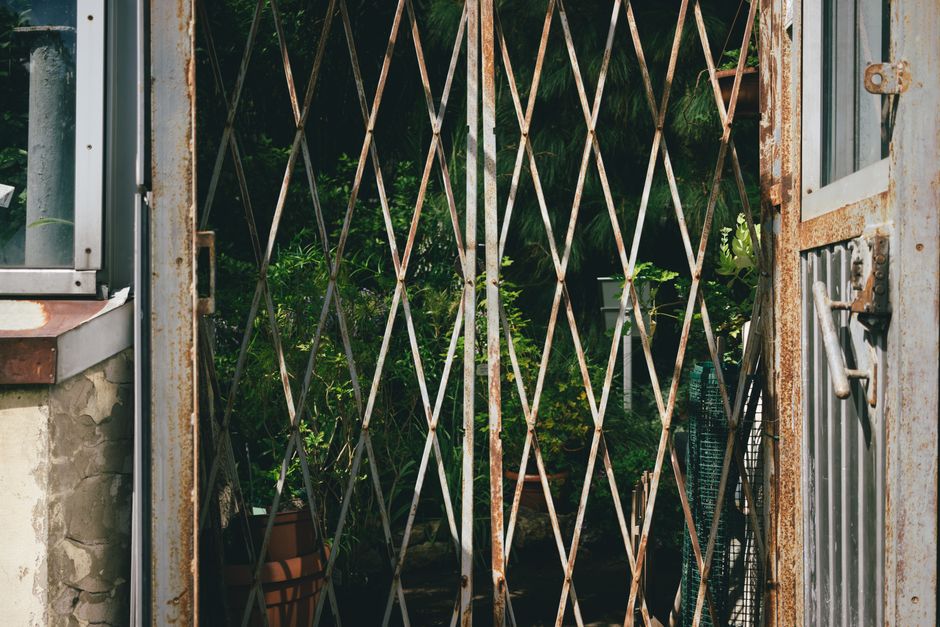
Garden access issues and gardeners solutions Woolwich

If your garden looks manageable from the patio but turns awkward the moment you try to get a mower, hedge trimmer, or rubble bag through it, you are not alone. Garden access issues and gardeners solutions Woolwich is a very real topic for local homes, especially where side passages are narrow, gates stick, steps are uneven, or the only route is through the house. In our experience, the right approach is rarely glamorous. It is usually careful planning, sensible tools, and a gardener who knows how to work around a tricky layout without causing damage. That is the difference between a job that feels stressful and one that feels simply sorted.
This guide breaks down what access problems actually mean, why they matter, how professional gardeners work around them, and what you can do to make your garden easier to maintain. It also covers common mistakes, practical checklists, and the sort of real-world detail that helps you decide whether a one-off tidy, regular maintenance, or a bigger redesign makes sense.
Why Garden access issues and gardeners solutions Woolwich Matters
Access problems are not a minor inconvenience. They affect what a gardener can do, how long the work takes, how tidy the site stays, and how safe the whole job is. A wide, open garden lets work flow naturally. A tight terrace passage, shared alley, locked communal entrance, or steep split-level layout changes everything. Even something as simple as moving a pile of green waste can become fiddly if there is no direct route out.
For homeowners, poor access often leads to a garden that gets tackled less often, which quickly creates a snowball effect. Tall grass becomes harder to mow. Hedges get woody and overgrown. Weeds settle in. Then the job needs more time, more equipment, and sometimes a bigger clearance before normal maintenance can even begin. That's the bit people often miss. Access issues do not just make a job awkward; they can make the garden deteriorate faster.
In Woolwich, where properties can vary from compact back gardens to more complex urban plots, a flexible approach matters. Some gardens need tools brought in by hand. Others need materials carried in smaller loads. And sometimes the best solution is not to force the existing layout at all, but to improve the access itself through light landscaping or better garden design. If that sounds like a lot, fair enough - it can be. But once the problem is understood, the solution is usually straightforward.
It also matters for trust. A gardener who turns up without thinking through access can waste time, damage beds or paving, and leave you with more stress than you started with. By contrast, a careful professional will ask the right questions before the first visit, check gate widths, understand where waste will be stored, and make a sensible plan. That early conversation saves a lot of faff later.
How Garden access issues and gardeners solutions Woolwich Works
Good gardeners do not treat access as an afterthought. They assess the site, identify bottlenecks, and plan the work sequence around the space available. In practical terms, that means looking at the route in and out, the size of equipment needed, where cuttings can be stacked, and whether anything fragile needs protection along the way.
A typical approach starts with a brief site check. For example, a narrow side return might allow hand tools and small bags but not a large wheeled mower. A courtyard may need compact equipment only. A garden behind a shared entrance may require timing the work around neighbours, which sounds minor until you are trying to move bags of hedge trimmings past someone carrying shopping. Timing matters more than most people think.
From there, the gardener may split the job into stages. First comes access clearing: shifting loose debris, opening pathways, and making space to work safely. Then the main tasks follow, such as lawn mowing, hedge trimming, pruning, or a deeper tidy. If the garden is badly overgrown, a garden clearance service may be the right starting point before routine upkeep begins again.
In some cases, access issues are not just about getting to the back garden. They are about the work itself. A long, wet lawn can be too soft for heavy machines. A steep path may be unsafe with barrows. A decked area might be slippery after rain. The best solution is often a mix of technique and common sense, not one magic tool. Truth be told, gardening like this is often more about judgement than muscle.
Where access is especially limited, a company may recommend a broader tidy-up or redesign. That is where landscape gardening or landscaping can help by changing the layout, improving hard surfaces, or creating more practical pathways. If you already know the space needs long-term attention, it may be worth discussing a broader maintenance plan through garden maintenance.
Key Benefits and Practical Advantages
Once access problems are handled properly, the benefits show up quickly. The first is simple: the garden becomes easier to maintain. That means fewer missed corners, cleaner cuts, and less chance of jobs being postponed because the site is awkward.
- Safer working conditions: Fewer trip hazards, less lifting strain, and better movement through the site.
- Cleaner results: Pathways stay clearer, lawn edges can be finished properly, and waste can be removed more neatly.
- Less disruption: Neighbours, shared spaces, and household routines are less likely to be affected.
- Better long-term upkeep: Once access is improved, future visits are faster and more predictable.
- More usable garden space: Sometimes the access fix itself makes the whole garden feel bigger and more usable.
There is also a financial angle, though it is worth saying this carefully. A better-access garden often costs less to maintain over time because less labour is spent fighting the space. That does not mean every job becomes cheap overnight. It means the work becomes more efficient. Small difference, big impact.
Another benefit is confidence. When you know a gardener can actually get in, work properly, and leave without scratching paintwork or dragging soil through the house, the whole experience feels calmer. That peace of mind is underrated. Very underrated, actually.
Who This Is For and When It Makes Sense
This kind of service is useful for a wide range of people. If your garden is difficult to reach, difficult to work in, or difficult to keep tidy, it probably applies to you already.
- Terraced and mid-terrace homes: Tight side access or rear-only entry is common.
- Properties with shared entrances: Coordinating access with neighbours can be the main challenge.
- Older gardens: Overgrowth, broken paving, or awkward layout can make simple upkeep slow.
- Busy households: If you want the garden maintained without turning the house into a thoroughfare, planning matters.
- Landlords and letting agents: Access issues can delay turnaround between tenancies.
- Residents with mobility considerations: A safer, more direct route can make a huge difference to usability.
It also makes sense if you are thinking beyond one-off tidying. Perhaps the garden is not just overgrown; perhaps it is badly arranged for how you actually live. A narrow route through the side passage, a cluttered back corner, or a difficult set of steps can make routine care feel like a chore. That is when the conversation shifts from maintenance to improvement. A little change now can save a lot of hassle later.
And if the main issue is debris, branches, or years of neglect, it may be worth starting with a clearance and then moving into a regular service rather than trying to do everything at once. The garden rarely needs a hero. It needs a plan.
Step-by-Step Guidance
Here is the practical side of it. If you are trying to solve a garden access problem in Woolwich, the cleanest route is usually the simplest one.
- Identify the real bottleneck. Is it a gate, a narrow passage, steps, low head height, poor lighting, or something else?
- Measure the useful spaces. Width, turning room, step height, and the size of any gates or side paths all matter.
- Clear the access route first. Move bins, toys, pots, hoses, and loose tools out of the way before work begins.
- Choose the right service level. A light tidy, regular upkeep, or a deeper clearance all require different approaches.
- Match tools to the site. Compact mowers, hand tools, and smaller waste bags can solve more access issues than you might expect.
- Plan waste removal early. If the gate is tight or the route is shared, smaller loads may be more practical than one big pile.
- Consider layout changes if the problem repeats. Pathways, surfacing, hedge placement, and storage can often be improved.
A small example: if the mower cannot fit through the side access, a gardener may use a lightweight machine on the lawn and hand tools at the edges, rather than forcing the wrong equipment into the space. Simple, but effective. If the hedge sits right beside a narrow alley, trimming from both sides may be done in stages so the cut material does not block the passage. Little adjustments like that save time and prevent mess.
For gardens with hard-to-manage overgrowth, it can help to combine access planning with specific services such as tree lopping and removal where overhanging limbs are part of the problem, or decking services where a safer, more walkable surface would improve movement. Not every garden needs rebuilding, of course. But sometimes a small structural change transforms the whole job.
Expert Tips for Better Results
These are the practical bits that often make the biggest difference, and they are easy to overlook if you are focused only on the visible overgrowth.
- Keep the access route dry and clear before the visit. Wet leaves, muddy steps, and loose gravel can turn a simple job into a slippery one.
- Tell the gardener about hidden problems early. Locked gates, barked-up steps, delicate paving, and low fences matter more than people think.
- Separate "must-do now" from "nice-to-do later." That makes the visit more efficient and avoids rushed decisions.
- Use smaller waste moves. If access is tight, multiple lighter trips are often safer than overloading bags.
- Think about future maintenance. A solution that only works once is usually not the best solution.
One useful tip that sounds obvious but is often missed: leave a clear path from the working area to the exit. Not just for the gardener, for the whole process. People tend to pile cuttings in the nearest open spot and then, suddenly, the nearest open spot is not open anymore. Happens all the time. A tidy route saves a lot of back-and-forth.
If you are unsure whether the garden needs a maintenance plan or a broader rework, it helps to review the bigger picture at services overview. That can make it easier to see whether you need mowing, trimming, clearance, or a more considered redesign.
Common Mistakes to Avoid
Access problems are easy to underestimate. That is where avoidable issues tend to creep in.
- Booking a job without describing the access properly. A narrow gate or steep step can change the whole setup.
- Assuming standard tools will fit. Not every mower or barrow suits every garden.
- Leaving clutter in the access route. Pots, furniture, bins, and hoses become hazards very quickly.
- Trying to fix everything in one visit. A phased approach is often safer and more realistic.
- Ignoring recurring design issues. If access is awkward every month, the layout may need changing.
- Forgetting about waste movement. A garden may be easy to work in but hard to clear out. Different problem, same headache.
A lot of trouble comes from under-communicating. To be fair, most people do not spend their evenings thinking about gate widths and turning circles. They just want the garden sorted. But a few extra details upfront can prevent misunderstandings later. The good news is that once a site has been properly assessed, the next visit is usually much easier.
Tools, Resources and Recommendations
The right tools depend on the access, but there are some common favourites for tight or awkward gardens. You do not need a huge kit. You need the right kit.
| Access challenge | Practical tool or method | Why it helps |
|---|---|---|
| Narrow side passage | Compact hand tools, smaller waste bags | Easier to carry, less chance of damage |
| No rear vehicle access | Staged waste removal | Keeps the site manageable and tidy |
| Uneven steps or slopes | Lightweight equipment, careful route planning | Improves safety and reduces strain |
| Overgrown boundaries | Hedge tools, pruning saws, selective clearance | Helps reopen space without overcutting |
| Long-term layout issues | Landscaping or pathway improvements | Makes future maintenance simpler |
For many households, the best recommendation is a mix of short-term maintenance and medium-term improvement. Start with the garden in its current state, then ask what would make it easier to live with over the next year. Sometimes that means trimming boundaries. Sometimes it means improving surfacing. Sometimes it means a full tidy plus a maintenance plan. Different gardens, different answer.
If you want to understand how a provider approaches safety and site handling, it is worth reading pages such as health and safety policy and insurance and safety. Those pages help set expectations around careful working practices, especially where access is awkward or equipment is being moved through tight spaces.
For people thinking about waste, recycling, and greener disposal habits, recycling and sustainability is a useful reference point for the sort of approach many customers now prefer. Not flashy. Just sensible.
Law, Compliance, Standards, or Best Practice
When access is difficult, the main compliance issue is usually not a single dramatic rule. It is safe working practice. In UK garden work, that means avoiding unnecessary risk, being mindful of trip hazards, using equipment correctly, and handling waste responsibly. If a route is very tight or uneven, the safest solution is often to change the method rather than push through with the wrong gear.
There may also be practical considerations around shared access, neighbour cooperation, and property boundaries. If a pathway is communal, the work should be planned to avoid blocking others for longer than necessary. If there are delicate surfaces, walls, glazing, or planting nearby, a careful gardener should protect them and work in a controlled way.
From a best-practice perspective, here is what you would normally expect:
- a sensible pre-visit conversation about access
- honest advice if the job needs splitting into stages
- safe handling of tools and green waste
- respect for neighbours, shared routes, and property finishes
- clear communication if layout changes would help long-term
It is also fair to expect transparent terms and practical payment handling. If you are comparing providers, a quick look at terms and conditions and payment and security can help you understand how the business works before anyone turns up with tools in hand.
And if you are concerned about service standards or how feedback is handled, the presence of a complaints procedure can be reassuring. Nobody wants to use it, obviously, but it is better when a company is clear about what happens if something needs fixing.
Options, Methods, or Comparison Table
There are usually three broad ways to handle access-related garden work. The right one depends on the severity of the access issue and how often you need the garden maintained.
| Approach | Best for | Pros | Limitations |
|---|---|---|---|
| Work around the access | Light to moderate access limits | Quick, flexible, usually the least disruptive | May still be fiddly on repeat visits |
| Clear and reset the space | Overgrown gardens or blocked routes | Makes the next visit much easier | Can take longer at the start |
| Improve the layout | Persistent access problems | Creates long-term convenience and safety | May need a larger budget and planning |
If the garden is simply messy and hard to reach, working around the access is often enough. If it is overgrown and clogged with debris, a clearance-first approach is better. If you are forever battling the same narrow route, awkward steps, or unusable patch of ground, then layout improvement becomes the smart option. There is no prize for making every visit harder than it needs to be.
For that third option, services like landscape gardening can be especially helpful because they move the problem from daily frustration to practical design. That is often where the biggest long-term win sits.
Case Study or Real-World Example
Here is a realistic example based on the kind of garden access issue that comes up often in Woolwich. A homeowner had a rear garden reached only through a narrow side passage. Over time, the lawn became patchy and the boundary hedges grew outward, making the passage feel even tighter. Cuttings were being carried through the house, which was awkward and, frankly, a bit messy after a rainy day.
The first visit focused on access more than the garden itself. Loose pots, clutter, and a couple of broken items near the passage were moved. The hedges were trimmed back enough to reopen the route. The lawn was cut in stages using lighter equipment. Waste was bagged in smaller loads so it could be removed safely without blocking the walkway. Nothing dramatic. Just calm, careful work.
After that, the homeowner could see the real issue: the layout had gradually narrowed the working space. So a small follow-up plan was suggested. A little more boundary trimming, a clearer storage area for tools, and a tidier path between the gate and back lawn meant the next visit would be much simpler. By the way, that is often how these jobs go. First you solve the access. Then the garden tells you what it actually needs.
In this sort of case, the right mix might include lawn mowing, hedge trimming, and sometimes a broader garden maintenance plan to stop the same issue building up again.
Practical Checklist
Use this checklist before a garden visit where access may be awkward:
- Clear the main route into the garden.
- Check gate width, step height, and any tight corners.
- Remove bins, toys, hoses, pots, and loose furniture.
- Tell the gardener about shared entrances or neighbour-sensitive access.
- Point out fragile surfaces, low walls, or slippery areas.
- Decide whether the job is a tidy, clearance, or maintenance visit.
- Ask how waste will be moved out of the garden.
- Consider whether layout changes would make future visits easier.
- Make sure pets and children are kept clear while work is underway.
- Confirm any timing limits if access is shared or restricted.
Practical summary: the best solution is usually the one that makes today's work safe and tomorrow's work easier. That may mean lighter tools, staged clearance, or a small redesign that opens the whole garden up. A little planning goes a long way.
Conclusion
Garden access issues and gardeners solutions Woolwich is really about turning awkward spaces into workable ones. Once access is thought through properly, the job becomes safer, cleaner, and less stressful for everyone involved. Whether your garden needs a quick tidy, a heavier clearance, or a longer-term redesign, the key is to match the method to the space rather than forcing the space to fit the method.
That is the heart of it, really. Gardens do not have to be perfect. They just need to be practical, and practical is enough. If yours has become difficult to reach or even harder to maintain, the next step is to get a clear plan in place and start with the access problem first. Everything else tends to fall into line after that.
Get a free quote today and see how much you can save.
And if you are weighing up who to trust, take your time, ask the awkward questions, and choose the approach that feels steady and sensible. The garden will thank you for it, quietly, in its own way.
Frequently Asked Questions
What counts as a garden access issue?
Anything that makes it hard to get tools, people, or waste in and out of the garden counts as an access issue. That might be a narrow side passage, steep steps, a shared entrance, a locked gate, or a route through the house. Even a small bottleneck can slow a job down more than you would expect.
Can gardeners work through a house if there is no rear access?
Sometimes, yes, but it depends on the property and the level of disruption involved. Many gardeners prefer routes that avoid the house, but if there is no other option, they may work carefully through internal access with extra protection and planning. It should always be discussed in advance.
What is the best solution for a very narrow side passage?
The best solution is usually a combination of lighter tools, smaller waste loads, and a tidy access route. In some cases, the garden can also be redesigned to reduce repeated trips through the narrowest point. Small adjustments often make a surprisingly big difference.
Will access problems make garden maintenance more expensive?
They can, because awkward access often takes more time and care. That said, a well-planned visit can limit extra effort and keep costs sensible. If the access is improved over time, maintenance often becomes more efficient on future visits.
Do I need a full garden clearance before normal work can start?
Not always, but it is common when the garden is heavily overgrown or blocked by debris. If grass, hedges, and waste are all making access harder, starting with a clearance can make later maintenance far easier and faster. It is often the sensible first step.
What should I tell a gardener before they arrive?
Tell them about gate widths, narrow paths, steps, shared entrances, pets, parking limits, and any fragile areas. If the route is awkward, say so plainly. A clear description upfront helps them bring the right tools and set realistic expectations.
Can access problems be fixed permanently?
Sometimes yes, sometimes only partly. Simple issues like cluttered routes or overgrown hedges can be fixed quickly. Deeper problems, such as a poor layout or unusable path, may need landscaping or structural changes. The good news is that even modest improvements can help a lot.
Is landscaping worth it for access problems?
It can be, especially if the same access issue keeps coming back. Better pathways, smarter planting, and improved hard surfaces can make routine maintenance much easier. If the garden is awkward every single visit, landscaping may be a practical long-term investment.
How do gardeners handle waste if the access is tight?
Usually by using smaller loads, bagging waste carefully, and moving it out in stages rather than all at once. The method depends on the site. The aim is to avoid blockages, keep paths clear, and reduce the chance of damage.
What are the most common mistakes homeowners make with access?
The biggest mistake is not mentioning the issue until the day of the visit. Other common problems include leaving clutter in the route, assuming standard tools will fit, and expecting one visit to solve an overgrown garden that really needs a phased approach.
How often should a difficult-to-access garden be maintained?
That depends on the size, growth rate, and how hard the access is to manage. Gardens with awkward entry points often benefit from more regular upkeep because small jobs are easier than big ones. Letting the work build up usually makes access problems worse, not better.
Where can I learn more about the services and practical standards?
You can review the company's services overview for a broader picture, then look at related pages such as about us and pricing and quotes if you want to understand how work is arranged. That usually gives a clearer sense of fit before you make a decision.