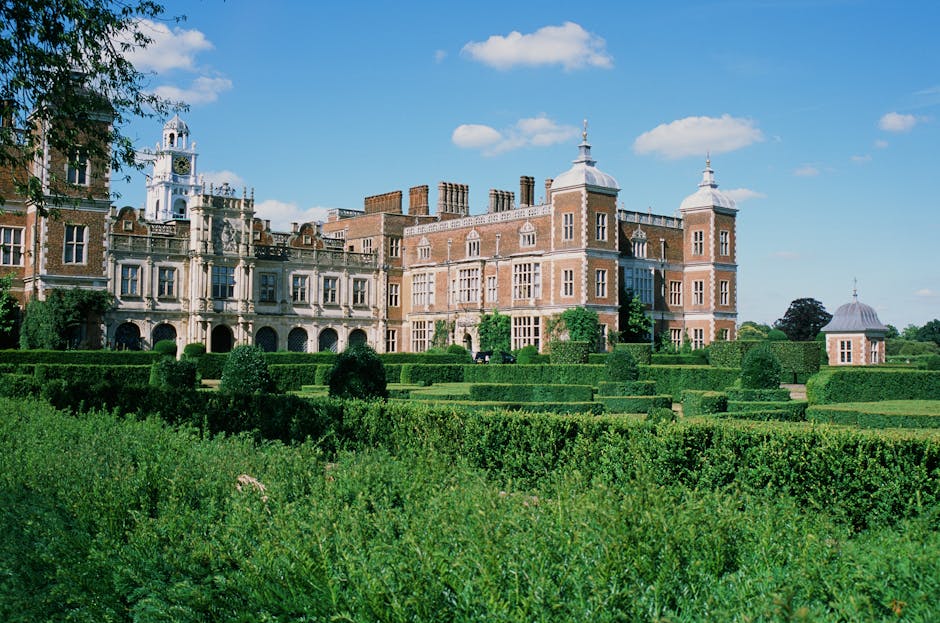
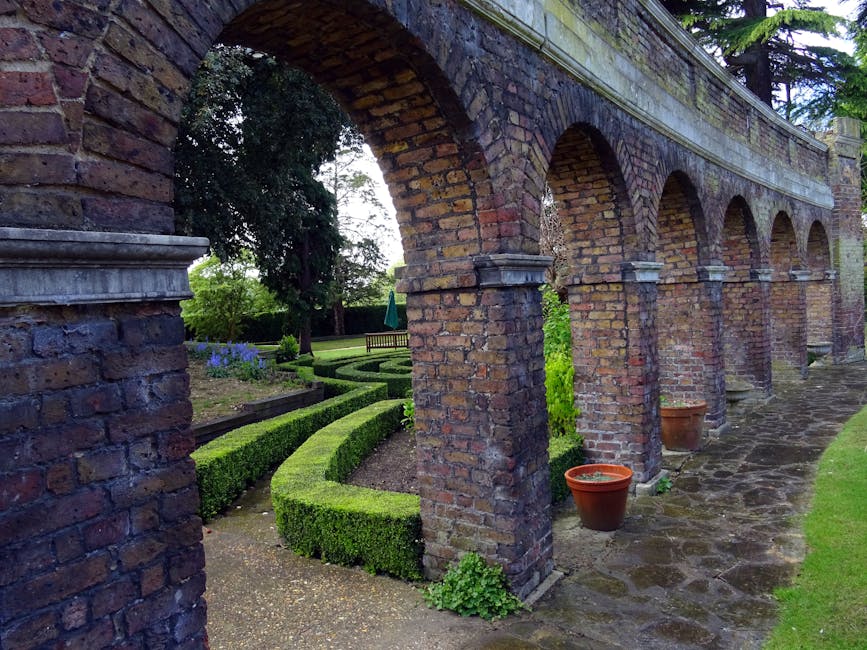
Best gardeners near Woolwich Arsenal for period gardens
Choosing the best gardeners near Woolwich Arsenal for period gardens is a bit different from hiring someone for a standard lawn tidy. Period gardens need a lighter touch, a good eye, and a respect for the character of the property. A neat box hedge, an old brick wall, a clipped yew, a path that should look gently weathered rather than brand new - these details matter. Get it right and the garden feels settled, elegant, and alive. Get it wrong and, well, it can lose its charm fast.
If you live near Woolwich Arsenal, you may also be balancing narrow access, shared boundaries, compact town gardens, or heritage features that need careful handling. That is why a specialist mindset matters. This guide explains how to choose the right gardener, what services you should expect, what to ask before booking, and how to protect the style of your garden while keeping it healthy and manageable. For a broader view of service options, you can also review the services overview and see how a local team structures its work.
Quick takeaway: period gardens reward consistency, restraint, and the right plant knowledge. The best gardener is not always the one who offers the most dramatic makeover; it is often the one who understands the original character of the space and maintains it with care.
Why Best gardeners near Woolwich Arsenal for period gardens Matters
Period gardens are not just outdoor spaces. They are part of the property's visual story. In London, especially around older terraces, converted buildings, and historic streetscapes, a garden can be one of the few places where original character still shows through. That character is easy to flatten if maintenance becomes too aggressive. A gardener who understands period planting and traditional layout will look at the garden differently: less like a blank canvas, more like something with memory.
Why does this matter so much? Because the wrong approach can cause three common problems. First, structural plants can be overcut, leaving awkward gaps and weak regrowth. Second, bedding and borders can be simplified until they feel generic. Third, the maintenance rhythm can drift - one month too heavy, the next too late - and the whole garden starts to look tired. To be fair, that happens quickly in a small urban garden where every plant is visible from the house.
Near Woolwich Arsenal, many homes are close to traffic, hard paving, and tighter side access. That means a good gardener needs more than planting know-how. They need practical site awareness, tidy working habits, and the ability to keep the garden looking elegant without turning it into a production line. If you want an idea of how a well-run local service is presented, the homepage is a useful starting point for understanding the kind of care and consistency a professional team should communicate.
How Best gardeners near Woolwich Arsenal for period gardens Works
A strong period garden service usually starts with observation rather than action. A proper gardener will look at the structure of the garden first: what should be retained, what is overgrown, what is historically appropriate, and what needs regular maintenance to stop it sliding out of balance. That sounds simple, but it is the bit many people rush past.
In practical terms, the work often follows a pattern:
- Assessment of the space. This includes hedge lines, border structure, access, drainage, light levels, and any plants that may be older or more established than they look.
- Identification of priorities. A period garden may need pruning, edging, border renewal, lawn care, climber training, or seasonal planting - but not all at once.
- Maintenance planning. Good gardeners set an appropriate rhythm. Some areas need weekly attention; others are best left to the right season.
- Gentle implementation. Cuts are made with a clear purpose. Borders are tidied without stripping their texture. Features are preserved rather than modernised for the sake of neatness.
- Ongoing review. A period garden is a living system. What worked in spring may need adjusting by late summer.
That process is why local knowledge matters. Woolwich Arsenal gardens can be exposed to wind corridors, reflective heat from paving, and compact planting spaces. A gardener who understands these conditions will choose practical methods, not just attractive ones. If you want to compare service levels and what is typically included, the pricing and quotes page is helpful for understanding how scope and complexity affect the work.
In short: period garden care is about balance. Not overdoing it, not undercaring, just keeping the structure visible and the planting healthy. Easier said than done, honestly.
Key Benefits and Practical Advantages
Hiring the right gardener for a period garden gives you more than a tidy lawn. It protects the atmosphere of the property and often saves money in the long run, because small issues are handled before they become bigger ones.
- Preserves heritage character. The garden still feels like it belongs to the house, rather than a generic showroom space.
- Improves plant health. Period gardens often include shrubs, climbers, and mature plants that respond badly to heavy-handed pruning.
- Supports year-round structure. Even in winter, a good gardener keeps the shape of the garden readable.
- Reduces avoidable rework. A measured approach helps prevent expensive planting mistakes and repeated corrections.
- Makes the property easier to live with. If you use the garden regularly, you want it to feel calm, manageable, and pleasant to step into on a damp Tuesday morning.
There is also the practical comfort factor. A well-maintained period garden tends to look cared for even when it is not in full bloom. That matters in London, where seasons can be a bit all over the place and a garden can go from lovely to shaggy in what feels like half a week.
If sustainability is part of your decision, ask whether green waste is handled responsibly and whether materials are reused where appropriate. The recycling and sustainability page is a useful example of the kind of environmental detail worth checking before you commit.
Who This Is For and When It Makes Sense
This kind of specialist gardening service is ideal if your garden has any of the following:
- heritage features such as old brickwork, stone edging, or traditional paths
- mature shrubs, hedges, climbers, or specimen plants
- a layout that should be preserved rather than redesigned
- a compact London footprint where every planting decision is visible
- a requirement for regular, careful upkeep rather than one-off dramatic changes
It also makes sense if you have recently bought a period property and want to restore the garden gradually. A lot of new owners feel pressure to "do something" quickly. Fair enough. But sometimes the best move is to pause, observe what is already there, and work out what is worth keeping before you start tearing things out.
You may also need this service if your current gardener is perfectly fine for basic mowing but less confident with pruning, border design, or traditional planting style. That is not a criticism. It is simply a different skill set. There is a big gap between keeping grass short and caring for a period garden properly.
Step-by-Step Guidance
If you are trying to choose the right gardener near Woolwich Arsenal, a simple method keeps things clearer.
- Walk the garden with them. Ask them to identify what should stay, what needs attention, and what can wait. Their eye should be measured, not rash.
- Explain the style you want. Use plain language. Say whether you want formal, relaxed, cottage-style, historically sympathetic, or simply neat and balanced.
- Ask about the work pattern. For period gardens, the timing of pruning and border work matters almost as much as the task itself.
- Check how they handle waste and access. Narrow side passages, shared entrances, and awkward storage are common in London gardens.
- Request a written quote. Clear scope avoids confusion later. It also helps you compare like with like.
- Start with a small job if needed. A first visit can be a useful test. You will quickly see whether the gardener notices detail and communicates well.
A practical note: if a gardener talks only about speed and "tidying everything back," that is not automatically a good sign. Period gardens usually need nuance. You want someone who can say, "This needs shaping, not hard cutting," without making it sound like a lecture.
For questions about what to expect in terms of arrangements, payments, and service process, the payment and security page offers a sensible trust-building reference.
Expert Tips for Better Results
Here are the small things that make a noticeable difference, the sort of details that separate decent garden care from genuinely thoughtful maintenance.
- Keep a visual record. A quick phone photo after each season helps track what changed and what needs repeating.
- Prune with the plant, not the calendar. Some shrubs tolerate early trimming; others need a gentler window. Timing matters.
- Protect the bones of the garden. Paths, rails, walls, topiary, and evergreen structure should be treated as long-term features.
- Use layers rather than uniformity. Period gardens often look best when height, texture, and seasonal interest are varied.
- Keep edging crisp but not severe. A clean edge can sharpen the whole design, but too much symmetry can make older gardens feel stiff.
- Think in seasons. What looks slightly untidy in May may be essential habitat, and what seems lush in August may need restraint by autumn.
One useful habit: keep a short note of what your gardener did and when. Nothing fancy. Just enough to spot patterns. You would be surprised how often that helps, especially after a long summer when everything is growing faster than you expected.
If you are dealing with a larger or more complex job, ask about health and safety practices as well. The health and safety policy and insurance and safety information can help you judge whether a provider takes site safety seriously.
Common Mistakes to Avoid
Period gardens are forgiving in some ways, but not all the ways you might hope.
- Over-pruning mature shrubs. Once a plant loses its shape, recovery can take a long time.
- Choosing speed over sensitivity. A fast tidy can strip away the charm you wanted to preserve.
- Ignoring soil and drainage. A pretty border can still struggle if the ground is compacted or waterlogged.
- Replacing too much at once. A sudden redesign often breaks the continuity of a period space.
- Skipping seasonal maintenance. One missed window can mean more work later.
- Not checking access and waste removal. It sounds minor until green waste is piled awkwardly beside a narrow passage.
Another common issue is assuming all gardeners are comfortable working with heritage-style spaces. They are not, and that is fine. But if a gardener cannot explain how they would treat a mature rose, a clipped hedge, or an old climber on a wall, you may want to keep looking. Lets face it, confidence is helpful only when it is backed by judgment.
Tools, Resources and Recommendations
The best gardeners tend to use tools that suit the job rather than the other way around. For period gardens, that often means a mix of hand tools and light machinery rather than oversized equipment that is too blunt for the space.
| Task | Useful approach | Why it helps in a period garden |
|---|---|---|
| Hedge shaping | Hand hedge trimmers or well-controlled powered tools | Gives cleaner lines without overcutting delicate growth |
| Border work | Hand weeding, mulching, selective thinning | Preserves plant structure and reduces disturbance |
| Lawn care | Regular mowing, edging, occasional scarifying or feeding | Maintains the formal balance often found in older gardens |
| Climbers and shrubs | Seasonal pruning and tying-in | Keeps walls and fences looking intentional, not wild |
| Waste handling | Collected and sorted green waste | Supports tidy work and sustainable disposal |
As a homeowner, you do not need to own every tool. What matters more is knowing whether the gardener has the right kit and knows when not to use it. That is the bit. The quiet judgement.
It can also help to ask about communication and admin. A professional service should explain quotes clearly and make payment arrangements straightforward. If you want to understand service options in more detail, the pricing and quotes page is worth a look, and for broader support information you can check the accessibility statement if any access or communication needs matter to you.
Law, Compliance, Standards, or Best Practice
For most homeowners, hiring a gardener is not a heavily regulated process in the way some trades are, but there are still sensible standards to follow. You should expect clear pricing, honest communication, safe work practices, and appropriate insurance where relevant. If work involves tools, ladders, access equipment, or shared spaces, safety becomes more than a nicety.
Good practice in the UK usually includes:
- transparent scope of work before the job begins
- clear handling of waste, especially green waste and reusable materials
- care around tools, trip hazards, and public-facing areas
- respect for neighbouring properties and shared access routes
- reasonable attention to privacy and property boundaries
If you are comparing providers, it is sensible to look at their general policies, not just their gardening promise. That includes how they handle complaints, payment, and safety. A straightforward complaints procedure can be a sign that a business takes accountability seriously, which is never a bad thing. And if you want to understand broader ethical commitments, the modern slavery statement is another indicator of how a company presents its responsibilities.
None of that is glamorous, obviously. But trust is built in the boring parts. The paperwork, the clarity, the follow-through.
Options, Methods, or Comparison Table
Not every garden needs the same service model. A period garden near Woolwich Arsenal may benefit from one of these approaches, or a blend of them.
| Option | Best for | Pros | Limitations |
|---|---|---|---|
| Regular maintenance visits | Gardens that need steady, careful upkeep | Keeps the garden balanced and reduces seasonal shocks | Requires ongoing commitment |
| One-off restoration | Overgrown or recently neglected spaces | Useful for getting control back quickly | Can look impressive but still need follow-up care |
| Seasonal planting and pruning | Gardens with strong structure but changing displays | Improves interest across the year | Needs good timing and plant knowledge |
| Full redesign | Gardens that have lost all coherence | Can solve long-term layout problems | Risks losing period character if done badly |
If your garden already has a strong identity, regular maintenance is often the safest choice. If it has been neglected for years, a careful restoration phase may be more sensible first. The point is not to choose the most dramatic option. The point is to choose the one that protects the garden's long-term shape.
Case Study or Real-World Example
Picture a modest terraced property near Woolwich Arsenal with a small front garden, a narrow side path, and a back garden that has grown a little too enthusiastically over one season. The owner likes the older feel of the house and does not want a modern overhaul. They just want it to look like itself again - clean, calm, and looked after.
A good gardener would likely start by clearing obvious congestion, then assess what is structurally important. Perhaps there is a climber on the wall that needs tying in rather than cutting back hard. Maybe the hedge line needs gentle shaping to bring back the original outline. The lawn may need edging, not replacing. And the border? It might only need thinning, mulching, and a better seasonal plan. That kind of work can completely change the feel of a garden without making it feel over-designed.
What the owner usually notices first is not the scale of the work but the feeling of relief. The garden becomes easier to use. You can see the path properly. The front step looks welcoming again. The whole place breathes a little more. It is a small thing, but not really small at all.
Practical Checklist
Use this before you book a gardener for a period garden.
- Have they worked with period, heritage, or traditional-style gardens before?
- Can they explain how they will preserve the existing character?
- Do they offer clear, written quotes?
- Are they comfortable with pruning, edging, border care, and seasonal maintenance?
- Do they discuss waste removal and sustainability?
- Have they explained how they handle access, safety, and insurance?
- Do they seem to listen to your preferences rather than push a generic solution?
- Can they suggest a maintenance schedule that fits your garden's pace?
- Do they provide clear routes for payment and communication?
- Are you comfortable with their overall approach after the first conversation?
If you tick most of those boxes, you are probably in good shape. If not, keep looking. No rush. The right gardener should make the process feel steadier, not more confusing.
Conclusion
Finding the best gardeners near Woolwich Arsenal for period gardens is really about finding someone who understands restraint, structure, and local conditions. Period gardens do not need loud treatment. They need the right cuts, the right timing, and a respect for what is already there. That is what protects the atmosphere of the space while keeping it practical for everyday life.
When you compare gardeners, look beyond the basic promise of a tidy finish. Ask how they work with mature planting, how they manage safety and waste, how they price the job, and whether they can preserve the garden's older feel. A well-chosen gardener will make your outdoor space easier to enjoy without sanding off its personality. And that, truth be told, is the real win.
Get a free quote today and see how much you can save.
Frequently Asked Questions
What makes a gardener suitable for a period garden?
A suitable gardener understands traditional planting, mature shrubs, careful pruning, and the importance of preserving layout and character. They should work with the garden's style, not against it.
Do period gardens need different maintenance from modern gardens?
Yes, often they do. Period gardens usually need more attention to structure, timing, and plant shape. Heavy-handed tidying can damage the effect you are trying to keep.
How often should a period garden near Woolwich Arsenal be maintained?
That depends on planting density, lawn use, and how formal the space is. Many gardens benefit from regular visits through the growing season, with lighter work in colder months.
Should I choose a gardener who specialises only in heritage gardens?
Not always, but they should at least show strong experience with traditional or mature gardens. The key is whether they can explain how they will protect your garden's identity.
What should I ask during the first visit?
Ask what they would keep, what they would change, and why. Also ask about pruning timing, waste removal, insurance, payment terms, and whether they have worked in similar gardens before.
How do I compare quotes fairly?
Compare scope, not just price. One quote may include edging, border care, and waste disposal, while another may only cover the basics. The pricing and quotes page is a good reminder to look at what is included.
Can a period garden be modernised without losing character?
Yes, but it should be done carefully. Small updates such as improved drainage, refreshed planting, or clearer maintenance routines can help without stripping away the original feel.
What are the biggest warning signs of a poor gardener?
Warning signs include vague quotes, rushed inspections, heavy-handed pruning language, poor communication, and no clear mention of safety or waste handling. If they seem more interested in speed than nuance, be cautious.
Is sustainability relevant for period garden maintenance?
Yes. Responsible waste disposal, selective use of materials, and sensible planting choices can all support a garden that is both attractive and lower impact over time. Check the provider's approach to sustainability if that matters to you.
What if my garden has old walls, fences, or access issues?
Then you need a gardener who is comfortable assessing the site properly and working around constraints. Narrow access, shared paths, and fragile features are common in London, so practical experience really helps.
Do I need a written agreement for regular garden work?
It is a very good idea. Even a simple written summary of the schedule, scope, and payment terms can prevent misunderstandings later. Clear expectations tend to save everyone time.
Where can I learn more about the company's trust and service policies?
You can review the health and safety policy, insurance and safety information, and the complaints procedure to get a fuller sense of how the service is run.